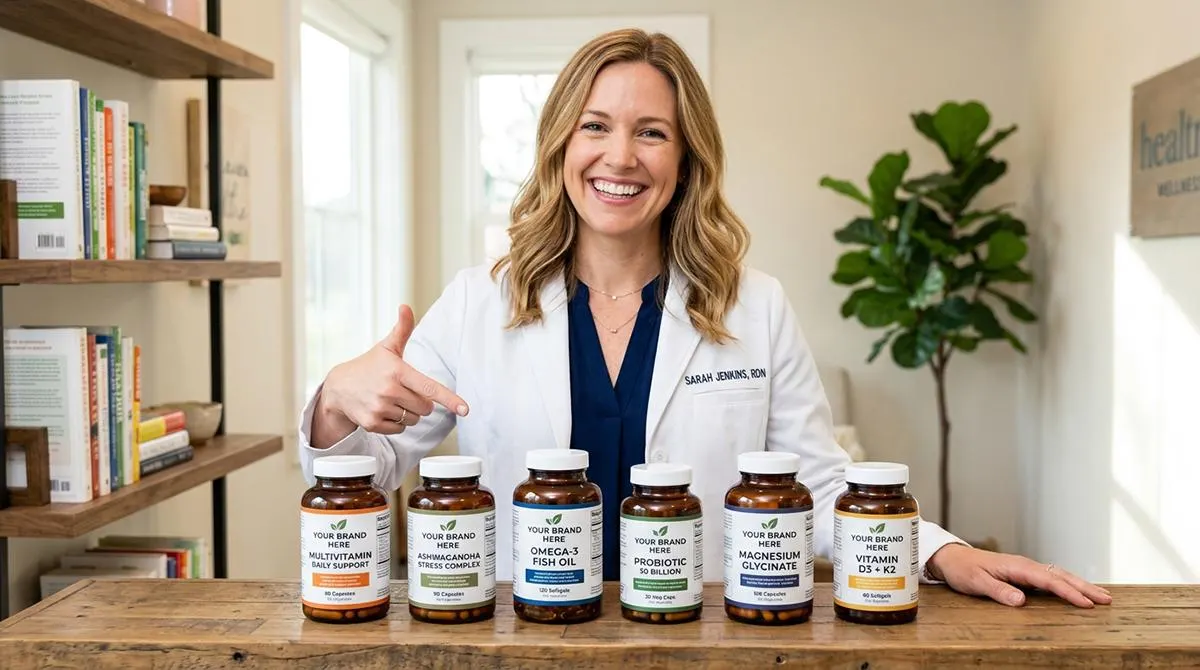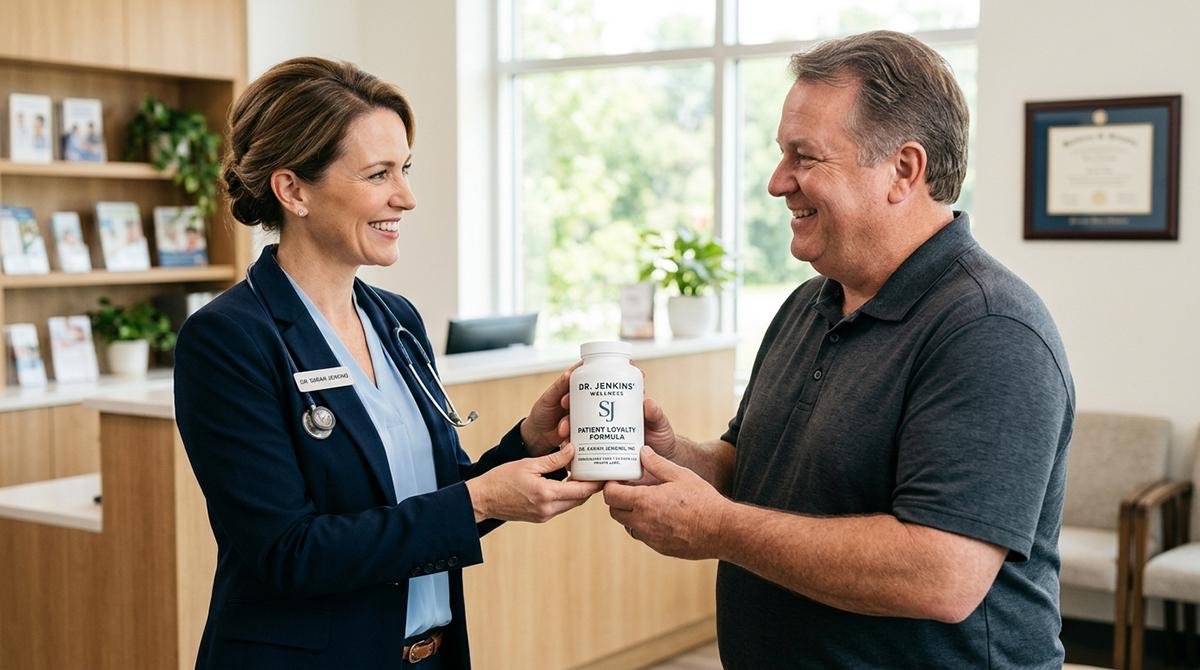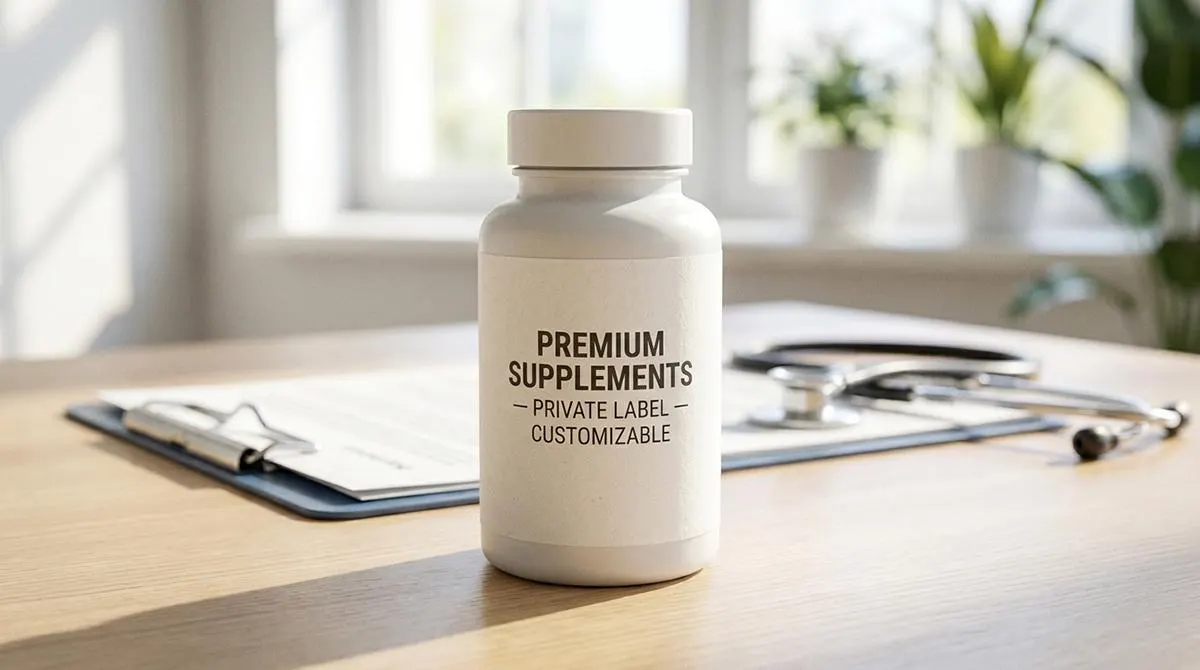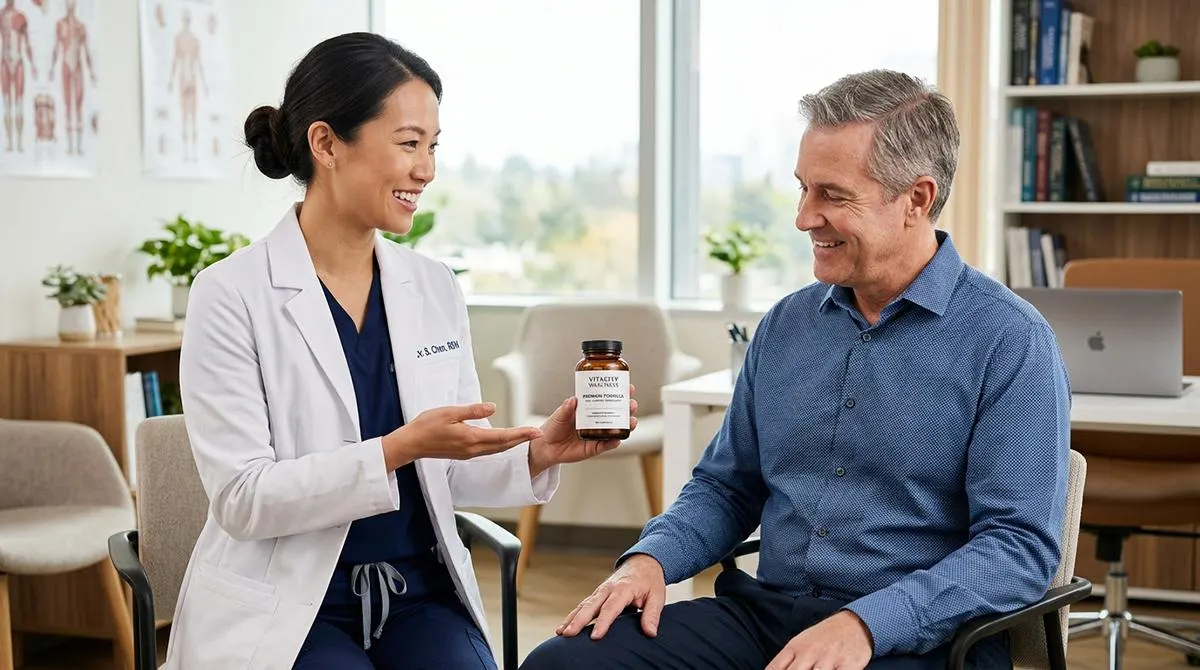

How to Launch Your Own Supplement Brand in 3 Steps (MOQ Just 3 Units)
The biggest myth about launching a supplement brand is that it requires a large upfront investment: thousands of units sitting in a warehouse, a six-figure minimum order, months of back-and-forth with a manufacturer before you see a finished product. That version of the industry still exists — but it's not the only version anymore.
With a minimum order quantity (MOQ) of just 3 units, launching a branded supplement line has become a low-risk, low-commitment decision rather than a major business bet. Here's exactly how the process breaks down into three practical steps.
Why a Low MOQ Changes Everything
Before getting into the steps, it's worth understanding why the MOQ matters so much. A traditional supplement manufacturing run might require hundreds or thousands of units per order — meaning you have to be confident about demand before you even see a finished product. That confidence is hard to have if you've never sold a branded product before.
A 3-unit MOQ removes that pressure entirely. You're not betting on a hunch about what your patients will buy — you're testing it, at a scale small enough that even a wrong guess costs you almost nothing.
Step 1: Choose Your Product and Brand Identity
The first step is deciding what you're launching and how it should look and feel.
Pick a product that matches what you already recommend
The easiest products to launch are the ones you're already recommending informally. If you regularly suggest magnesium, a probiotic, or a joint-support formula, that's your starting point — you already have proof that patients want it, because they're asking you about it.
Bring your brand identity — or build one
If you already have a logo and brand colors, this step is fast — you provide your brand kit and it becomes the foundation for the label. If you don't have one yet, this is the point where it gets developed: a name, a color palette, and a visual style that matches how you want patients to perceive your practice.
What this step requires from you
A short discovery conversation about your patient base and the product category, plus your logo/brand assets if you have them. That's it — no design software, no manufacturing knowledge needed.
Step 2: Design, Review, and Approve
This is where your brand identity becomes an actual product label.
Label design
A label is created around your chosen product and brand identity — including the product name, the required supplement facts panel, usage instructions, and any necessary regulatory disclaimers.
Revisions
You review the design and request changes. A standard private label process includes a set number of revision rounds (commonly around three), giving you room to adjust colors, layout, or wording until it matches your vision.
Mockup approval
Before anything physical is produced, you receive a visual mockup of the finished bottle and label for final sign-off. This is your last checkpoint before a physical sample gets made.
Sample in hand
Once you approve the mockup, a physical sample is produced and shipped to you. Now you're not looking at a digital rendering — you're holding the actual product that will go in front of your patients.
What this step requires from you
Your feedback on the design (a few rounds, typically) and a final go/no-go decision once you have the sample in hand.
Step 3: Place Your First Order and Start Selling
This is the step where the low MOQ does its job.
Order just 3 units
Instead of committing to a large batch, you place your first order at the minimum — 3 units. This lets you get real product in front of real patients without tying up capital in inventory you're not certain will move.
Sell through your existing patient relationships
Because you're not building brand awareness from zero, distribution is simpler than a typical product launch. Common approaches include:
- Recommending it directly during patient visits
- Selling through your clinic's website or online store
- Displaying it at your front desk or through a partner pharmacy
Reorder based on real demand
Once your first 3 units sell, you have actual data instead of a guess. Reordering is typically much faster than the initial setup, since the brand, label, and manufacturing relationship are already in place — you're just requesting more of a product that already exists.
What this step requires from you
A decision to place the order, and a plan for where in your patient workflow the product naturally fits.
What About Cost?
Beyond the cost of the units themselves, most private label programs charge a one-time, per-product fee that bundles label design, revisions, mockup preparation, and the sample together. This is a flat setup cost — not a deposit subtracted from your first order — so there's no ambiguity about what you're paying for or when.
Common Questions About This Process
"Is 3 units really enough to start?"
Yes — the point isn't to build inventory, it's to validate demand with minimal risk. Once you see real sales, scaling up the order size is straightforward.
"What if I don't have a logo yet?"
That's fine. Brand identity development can happen as part of the process rather than being a prerequisite for starting.
"How long does the whole process take?"
Timelines vary by manufacturer and how quickly revisions are finalized, but because the MOQ is small and the process is streamlined, it moves considerably faster than a traditional large-batch launch.
"Where are the products made?"
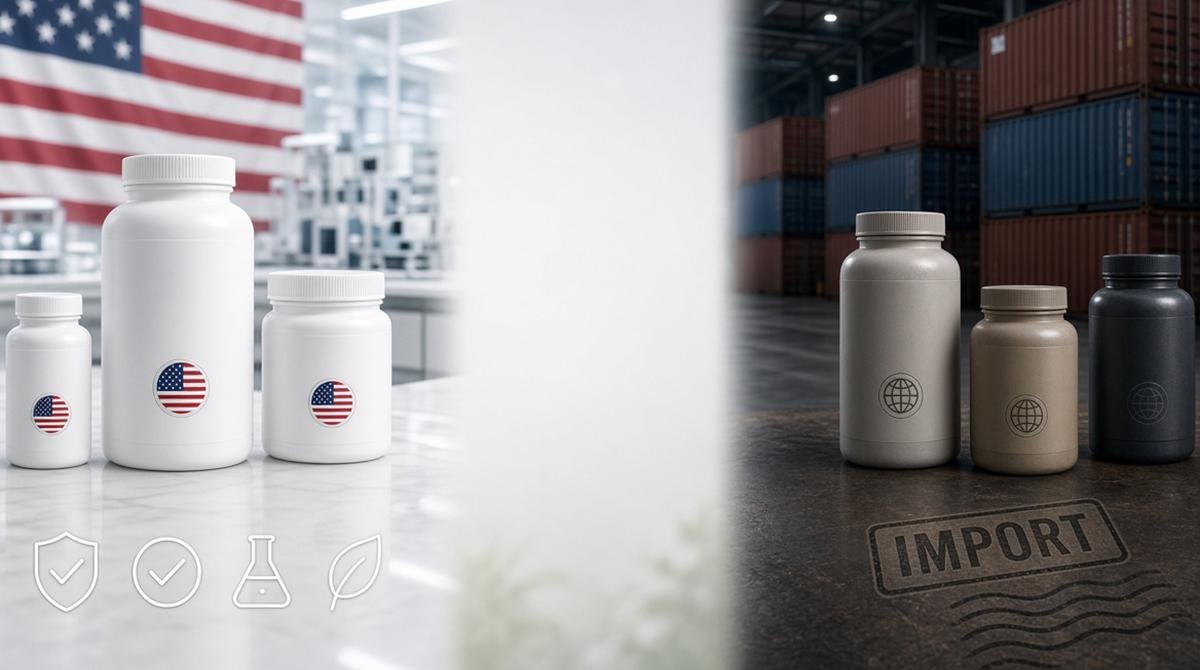
For US-based practices, sourcing from a US manufacturer avoids customs delays and import certification requirements — one less variable to manage while you're testing the model.
The Bottom Line
Launching your own supplement brand no longer requires a big bet. With a 3-unit MOQ, the three steps above — define your brand and product, design and approve your label, then place a small first order — take you from idea to an actual product in your patients' hands, without the inventory risk that used to make this kind of launch feel out of reach.
Ready to see what your own branded product could look like? Get in touch with the Origin Well Nutrition team to start with a discovery call.
BOOK AN APPOINTMENTBCAA Shock Powder (Fruit Punch)
Branched-chain amino acid (BCAA) supplementation after an intense workout has been shown to aid in maintaining muscle growth and the energy required to reduce muscle breakdown.
- Supports faster muscle recovery*
- Promotes lean muscle growth*
- Promotes tissue support*
- Enhanced athletic performance*
Disclaimer: Please note that the actual product may slightly vary from the images shown on our website. Minor variations in packaging and content, such as color, design, or texture, may occur between production batches. These differences do not affect the quality or described functionality of the product.
Bone Support Strips
Bone Support Strips combine Vitamin D3 and Vitamin K2 in a fast-dissolving, raspberry-flavored oral strip designed to support your body’s natural bone health processes. These nutrients work together to help maintain normal calcium absorption and bone maintenance as part of a balanced lifestyle. Take one strip anytime, up to one per day, for simple, convenient support.*
Disclaimer: Please note that the actual product may slightly vary from the images shown on our website. Minor variations in packaging and content, such as color, design, or texture, may occur between production batches. These differences do not affect the quality or described functionality of the product.
Beetroot Powder
Our Beetroot Powder is a refreshing blend of beet root, hibiscus, and apple juice powder, sweetened with stevia. This easy-to-mix formula supports healthy blood flow and normal blood pressure, making it a great addition to your daily wellness routine. Perfect for anyone looking to maintain an active lifestyle, it offers a delicious and convenient way to enjoy the benefits of these ingredients.
Disclaimer: Please note that the actual product may slightly vary from the images shown on our website. Minor variations in packaging and content, such as color, design, or texture, may occur between production batches. These differences do not affect the quality or described functionality of the product.
Respiratory & Lung Health Drops
Biotin is a B vitamin involved in the normal metabolism of macronutrients and in keratin production, the structural protein that makes up hair and nails - which is why it anchors nearly every beauty formula on the shelf.